Posts

What is brain stroke? Different Types of Surgeries for Brain Stroke
Image
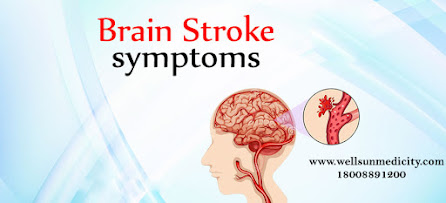
  Brain stroke, also known as cerebrovascular accident (CVA), is a medical condition that occurs when the blood supply to the brain is interrupted or reduced, resulting in damage to the brain tissue. This can occur due to a variety of reasons, Ischemia: When a blood vessel in the brain becomes blocked or narrowed, reducing blood flow to the brain tissue. Hemorrhage: When a blood vessel in the brain ruptures, causing bleeding into the surrounding tissue. Emboli: When a blood clot or other debris travels to the brain and blocks a blood vessel. Thrombosis: When a blood clot forms within a blood vessel in the brain. The symptoms of brain stroke can vary depending on the location and severity of the damage, but common symptoms include:           Sudden weakness or numbness in the face, arm, or leg          Sudden difficulty speaking or understanding speech         Sudden difficulty seeing or recognizing ...
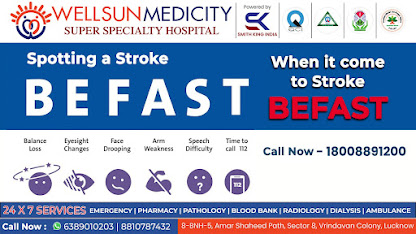
B.E.F.A.S.T: Do you know what to do when seconds count?

Image
              When it Come to Stroke B.E. F.A.S.T.  A stroke is a medical emergency. Symptoms come on suddenly, and every minute counts. The longer someone having a stroke waits to get treatment, the higher the chance of permanent damage or even death. Know what signs to look for: B: Balance. Do they have loss of balance or are they dizzy? Are they walking differently? E: Eyes. Can they see out of both eyes OK? Ask them if they have vision loss, or blurry or double vision. F: Face. Does one side of their face look uneven or like it is drooping? Ask them if their face feels numb. Tell them to smile and check if their smile is uneven. A: Arm. Does one of their arms feel numb? Ask them to raise both arms and see if one arm drifts downward. S: Speech. Is their speech hard to understand? Are they confused? Are they having trouble understanding you? T: Time to call . If someone is showing any of these signs , call +91-8810787432/ 1800889120...

Common Monsoon Diseases & Prevention Tips | Wellsun Medicity

Image
The monsoon season! While it brings relief from the scorching heat, it also brings with it a host of diseases that can wreak havoc on our health. Here are some common monsoon diseases and prevention tips to help you stay safe: CommonMonsoon Diseases: ·          Malaria: Mosquito-borne disease caused by a parasite. ·          Chikungunya: Mosquito-borne virus that causes fever, joint pain, and swelling. ·          Dengue Fever: Mosquito-borne virus that causes high fever, headache, and body aches. ·          Waterborne Diseases: such as Diarrhea, Cholera, and Typhoid caused by contaminated water and poor hygiene Respiratory Infections: such as Pneumonia, Bronchitis, and Cough caused by poor air quality and wet conditions. Skin Infections: such as Fungal infections, Bacterial infections, and Viral infections caused by w...

Joint Replacement Surgery Understanding the Options and Benefits

Image
  Orthopedics Orthopedics is a branch of medicine that helps people with bone, joint, muscle, and tendon problems. Orthopedic doctors treat conditions like arthritis, broken bones, joint pain, and back problems. They use different treatments like medicine, physical therapy, and surgery to help people feel better and improve their quality of life. Joint replacement surgery Joint replacement surgery is a type of surgery that replaces a damaged or arthritic joint with an artificial one made of metal, ceramic, or plastic. The goal is to relieve pain and help people move more easily. Know come to the main article title : Joint Replacement Surgery Understanding the Options and Benefits Orthopedics (also spelled Orthopaedics) is a branch of medicine that deals with the diagnosis, treatment, and prevention of disorders and injuries of the musculoskeletal system. This includes: a.         Bones (skeleton) b.      ...

Hypertension and epidemic causes treatment and prevention,

Image
  Hypertension, also known as high blood pressure, is a medical condition in which the blood pressure in the arteries is elevated. Blood pressure is the force of blood pushing against the walls of your arteries as your heart pumps blood throughout your body. Normal blood pressure is typically defined as: ·          Systolic pressure (the top number): less than 120 mmHg ·          Diastolic pressure (the bottom number): less than 80 mmHg Elevated blood pressure is considered a systolic pressure of 120-129 mmHg and a diastolic pressure of 80-89 mmHg. Stage 1 hypertension is defined as a systolic pressure of 130-139 mmHg or a diastolic pressure of 90-99 mmHg. Stage 2 hypertension is defined as a systolic pressure of 140 mmHg or higher or a diastolic pressure of 100 mmHg or higher. Chronic high blood pressure can lead to serious health problems, such as: o    Heart disease: High blood...