Saturday, October 19, 2024

Diagnosis and Treatment Options for Urinary Incontinence-Wellsun Medicity Expert explain (Dr. Neeraj Agarwal)

Urinary incontinence is the involuntary leakage of urine, resulting in a loss of bladder control. It can manifest in various forms, such as urge incontinence (a sudden, strong need to urinate), stress incontinence (leakage during activities like coughing or sneezing), or overflow incontinence (constant dribbling due to an overly full bladder). This condition is commonly seen in older adults, women post-childbirth, and those undergoing menopause, and it can significantly impact an individual's emotional and social well-being.

Overview

Urinary Incontinence is a common problem that affects several people and is highly common in nature as well. According to the Indian Urological Association, quarter- one-third of men and women are affected by this problem in the India. This condition is furthermore common among women compared to that of men. An estimated 30% of females from the age group of 30-60 are thought to suffer from this, whereas in men it is about 1.5-5%.


Everything You Need To Know About Urinary Incontinence

Urinary Incontinence is the involuntary leakage f urine that occurs when the urethra and the bladder refuse to hold the urine and further causes leakage. The urethra is the tube that is present in the lower abdomen and also helps to carry the urine from the bladder for extraction. In this situation, you might get a cntin0ous leakage or might be able to hold the urine for a single second.

Urinary incontinence can result from a variety of causes, including weakened pelvic floor muscles, which can occur due to pregnancy, childbirth, or aging; hormonal changes during menopause; neurological disorders such as multiple sclerosis or Parkinson's disease; urinary tract infections; prostate issues in men; and certain medications that affect bladder function. Additionally, lifestyle factors like obesity, excessive caffeine or alcohol consumption, and chronic coughing may contribute to the condition. In some cases, it may also be linked to surgical interventions or anatomical abnormalities in the urinary tract.


Temporary Urinary Incontinence

  1.         Alcohol
  2.          Artificial sweeteners
  3.         Caffeine
  4.          Chili peppers
  5.          Large Vitamin C dosage
  6.         Carbonated drinks including sparkling waters


Urinary Incontinence Symptoms,

Symptoms of urinary incontinence can vary depending on the type but generally include the following:

·         Leakage of urine during activities such as coughing, sneezing, laughing, or exercising (stress incontinence).

·         A sudden, intense urge to urinate followed by involuntary loss of urine (urge incontinence).

·         Frequent urination, often more than eight times a day or waking multiple times during the night to urinate (nocturia).

·         Continuous dribbling of urine, often due to an overfull bladder (overflow incontinence).

·         Difficulty starting urination or emptying the bladder completely.

·         Individuals may experience one or multiple symptoms, impacting their daily life and emotional well-being.

Treatment for urinary incontinence varies based on its type and severity, but common approaches include:

1. Lifestyle Changes Weight loss, dietary adjustments, and fluid management can help alleviate symptoms.

2. Pelvic Floor Exercises: Kegel exercises strengthen pelvic muscles, improving bladder control.

3. Bladder Training:  Scheduled toileting and gradual increasing intervals between bathroom visits can retrain the bladder.

4. Medications:  Anticholinergics and other drugs can help relax the bladder or enhance its contractility.

5. Medical Devices:  Pessaries or urethral inserts may be used to support the bladder or prevent leakage.

6. Surgery: Procedures like sling surgery or bladder neck suspension can provide long-term solutions for severe cases.

7. Neuromodulation Therapy : Techniques such as sacral nerve stimulation can help manage symptoms by modulating nerve signals.


Consulting a healthcare professional is essential to determine the most appropriate treatment plan.

Urinary Incontinence Surgery

The surgical process used in this treatment include-

·         Sling process

·         Artificial sphincter

·         Colposuspension

·         Conclusion

Urinary incontinence is thus a common problem, especially for old-aged women. This needs the right amount of treatment or can turn into something big. A good consultation with the doctor can help individuals to have a further idea. You can visit a urologist physician for problems of urinary incontinence.

Wellsun Medicity Multispecialty Hospital

www.wellsunmedicity.com

Dr. Neeraj Agarwal

MBBS (KGMU) MS General Surgeon

M.CH Urologist, Kidney Transplant Surgery   

Call:  +91-8810787432

wellsunmedicityhospital@gmail.com

 Consultant with our expert  :  Click here 


Thursday, October 17, 2024

Understanding UTIs and Dietary Prevention Strategies-Wellsun Medicity Hospital

Do you ever had  a urinary tract infection (UTI)?

A urinarytract infection (UTI) is an infection that occurs in any part of the urinary system, which includes the kidneys, ureters, bladder, and urethra. UTIs are typically caused by bacteria and can lead to symptoms such as a frequent urge to urinate, burning sensation during urination, cloudy or strong-smelling urine, and pelvic pain. While UTIs can affect anyone, they are more common in women. Treatment usually involves antibiotics, and preventive measures can help reduce the risk of recurrence.

Urinary Tract Infections (UTIs) are common bacterial infections that affect millions annually, particularly among women. While medical treatment is essential for acute infections, dietary choices can play a significant role in prevention. Key strategies include increasing the intake of water to promote regular urination, which helps flush out bacteria. Incorporating cranberry products—either juice or supplements—may also reduce UTI recurrence by preventing bacteria from adhering to the bladder wall. Additionally, probiotics found in yogurt and fermented foods can support a healthy urinary microbiome.

 It’s advisable to limit irritants such as caffeine, alcohol, and spicy foods, which may aggravate the bladder. A balanced diet rich in fruits, vegetables, whole grains, and lean proteins further supports overall health and immune function. By adopting these dietary habits, individuals can potentially lower their risk of developing UTIs while enhancing their overall well-being.

Food that Can reduce exposure to UTI-causing bacteria

Certain foods can harbor bacteria that cause urinary tract infections, while others do not. For instance, meats like pork and poultry can be sources of extra-intestinal pathogenic Escherichia coli (ExPEC), which account for more than 70 percent of UTIs. Consuming these types of meat frequently may heighten your risk of developing a UTI.

In contrast, plant-based foods are generally free from these harmful bacteria. Therefore, adopting a vegetarian diet may reduce your likelihood of encountering these pathogens and offer protection against both initial and recurrent UTIs.

UTIs Dietary prevention recommended patients   

Dietary prevention strategies for urinary tract infections (UTIs) include staying well-hydrated by drinking plenty of water to help flush bacteria from the urinary tract, consuming cranberry juice or supplements, which may prevent bacteria from adhering to the bladder wall, and including probiotics in the diet, such as yogurt, to promote healthy gut and vaginal flora. Additionally, patients are advised to limit caffeine and alcohol intake, avoid irritating foods such as spicy dishes and artificial sweeteners, and maintain  

Foods that Can make the urinary tract favorable for growth of UTI-causing bacteria

There are certain foods that encourage the growth of Escherichia coli and other UTI-causing bacteria. And so their intake should be reduced when undergoing treatment for UTIs. For instance, taking too much sugar encourages the breeding of bacteria in the urinary tract. That’s why you need to reduce sugar consumption when undergoing treatment or avoid sugar when struggling with a recurrent UTI. Also avoid sugary cookies, candies, or sweetened beverages—substitute them with water. Likewise, potential bladder irritants should be avoided. Once they irritate the bladder, they increase lower urinary symptoms that end up creating conditions necessary for the growth of infectious bacteria.

Therefore, when undergoing treatment for UTI, avoid bladder irritants such as tea, soda, alcohol, coffee, and artificially sweetened beverages. Equally, avoid spicy foods and stop eating acidic fruits, such as lemons, oranges, or limes. You can resume eating them after the infection is gone, especially to get vitamin C, which helps prevent future infections.

It's essential to consult with a urologist professional for an accurate diagnosis and personalized treatment plan for your specific case of UTIs and Diet for preventions .

Take Action Today!

Consult wellsun medicity discuss your risk factors and develop a personalized plan to reduce your risk.

WELLSUN MEDICITY HOSPITAL 

Dr. Neeraj Agarwal

MBBS (KGMU) MS General Surgeon

M.CH Urologist, Kidney Transplant Surgery  


Friday, September 6, 2024

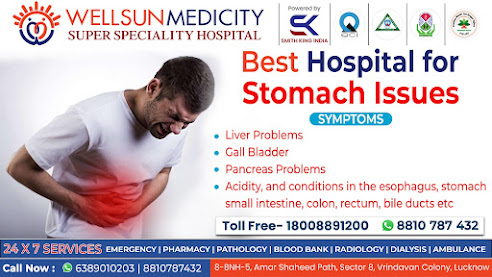
Lucknow Best Hospital for stomach issue - Wellsun Medicity Super Hospitality

Say goodbye to stomach troubles with our top-rated gastro clinic! Our team of experts specializes in diagnosing and treating a wide range of digestive issues such as

◾ Liver problems

◾ Gall bladder

◾ Pancreas problems

◾ Acidity and conditions in the esophagus, stomach small intestine, colon, rectum, bile ducts, etc

Do you feel like there is any kind of gastritis symptoms? Visit wellsun medicity a popular gastroenterology hospital in Lucknow U.P

We are dedicated to providing the best care and ensuring our patients leave feeling their best. Book your appointment today and let us help you get back to optimal health!


Wellsun Medicity gastro Departmental Doctors teams who specializes in diagnosing, treating, and preventing disorders and diseases of the digestive system, including the stomach, small intestine, colon, liver, pancreas, and gallbladder. They manage a wide range of conditions, including digestive disorders, gut-related cancers, liver and pancreas diseases, nutritional disorders, and gastrointestinal infections. Gastroenterologists use various diagnostic tests and procedures, such as endoscopy,

Colonoscopy, upper GI series, imaging tests, and blood tests to diagnose and monitor patients.

They may also perform minimally invasive procedures like ERCP, endoscopic ultrasound, and stenting.

Gastroenterologists often work with other healthcare professionals to provide comprehensive care for patients with gastrointestinal disorders.

Wellsun Medicity gastro Departmental Doctors teams   who specializes in diagnosing, treating,

and preventing disorders and diseases of the digestive system, including the stomach, small intestine, colon, liver, pancreas, and gallbladder. They manage a wide range of conditions, including digestive disorders, gut-related cancers, liver and pancreas diseases, nutritional disorders, and gastrointestinal infections. Gastroenterologists use various diagnostic tests and procedures, such as endoscopy,

Colonoscopy, upper GI series, imaging tests, and blood tests to diagnose and monitor patients.

They may also perform minimally invasive procedures like ERCP, endoscopic ultrasound, and stenting.

Gastroenterologists often work with other healthcare professionals to provide comprehensive care for patients with gastrointestinal disorders.

To consult with our experts, book your appointment today.

Contact us:

☎️ Phone No.+91-8810787432/ 18008891200

Email: wellsunmedicityhospital@gmail.com

 Address: 8-B/NH-5, Vrindavan Yojna,

Shaheed Path,

Lucknow-226029

To know more visit: www.wellsunmedicity.com

#gastroenterology #gastroenterologist #gastro #gastritis #gastroclinic #digestivehealth #healthyliving #wellsunmedicity #Lucknow #Uttarpradesh #WellsunmedicitySuperSpecialityHospital


Contact us:

 Phone No.+91-8810787432/ 18008891200

 Email: wellsunmedicityhospital@gmail.com

Address: 8-B/NH-5, Vrindavan Yojna,

Shaheed Path,Lucknow-226029

To know more visit: www.wellsunmedicity.com

#gastroenterology #gastroenterologist #gastro #gastritis #gastroclinic #digestivehealth #healthyliving #wellsunmedicity #Lucknow #Uttarpradesh #WellsunmedicitySuperSpecialityHospital


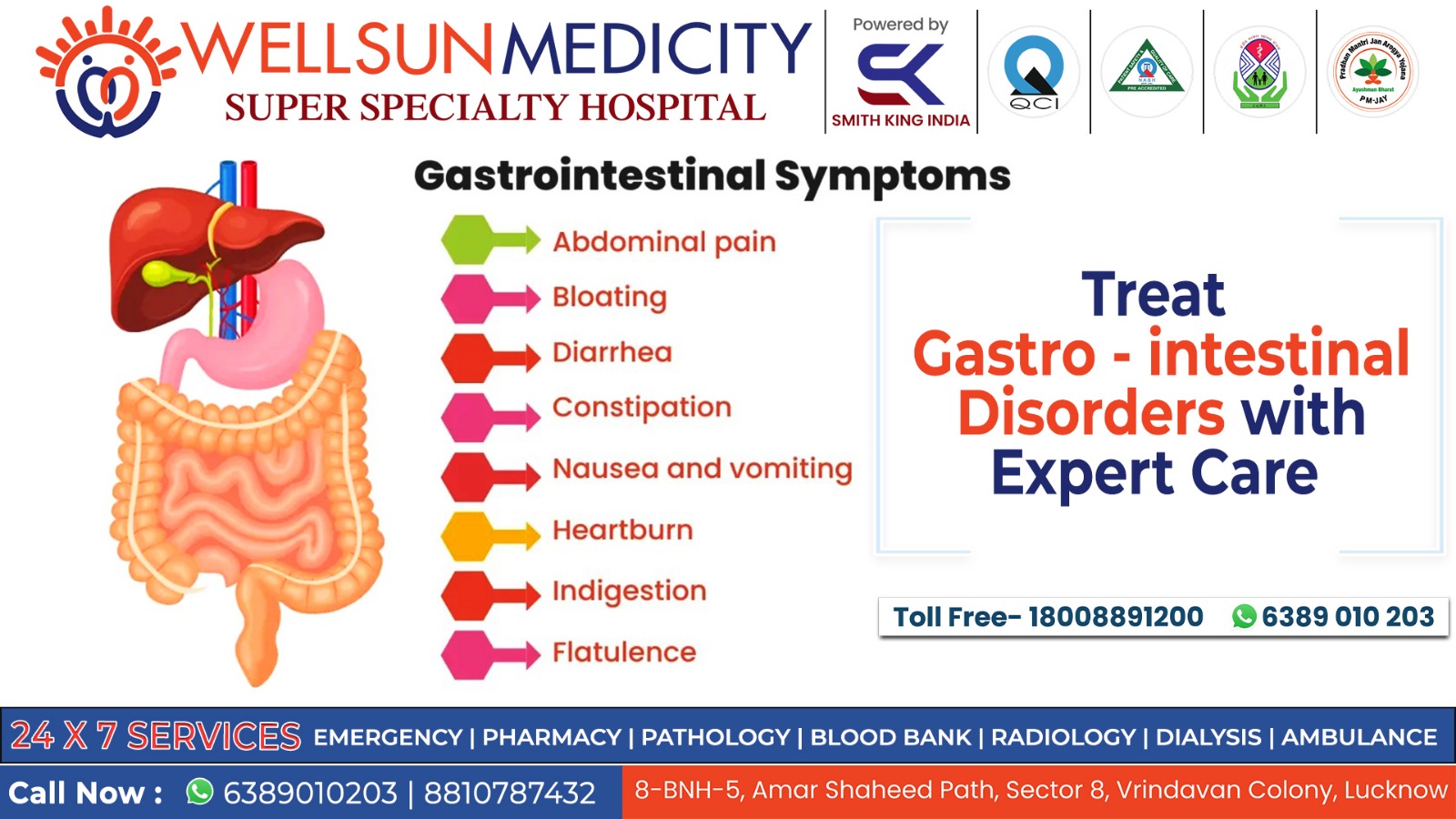
Treat Gastro-Intestinal Disorders with Expert Care -Wellsun Medicity hospital


astro-intestinal disorders, also known as gastrointestinal (GI) disorders, are a group of conditions that affect the digestive system, including the esophagus, stomach liver pancreas, gall bllader, small intestine, and large intestine. These disorders  cause a range of symptoms, from mild discomfort to severe and debilitating conditions. In this article, we will explore the most common GI disorders,


Common Gastro-Intestinal Disorders

Irritable Bowel Syndrome (IBS): A chronic condition characterized by abdominal pain, bloating, and changes in consistency  & frequency of stool  

Gastroesophageal Reflux Disease (GERD): A condition in which stomach acid flows back into the esophagus, causing heartburn and regurgitation.

·         Inflammatory Bowel Disease (IBD): A chronic condition n that causes inflammation and damage to the lining of the digestive tract mainly small or large intestine , including Crohn's disease and ulcerative colitis.

·         Diverticulitis: A condition in which small pouches in the wall of the colon become inflamed and infected.

·         Gastrointestinal Motility Disorders: Conditions that affect the movement of food through the digestive tract, including cardia gastroparesis and constipation.

Causes and Risk Factors

Gastro-intestinal disorders can be caused by a variety of factors, including:

Diet: A diet high in processed foods, sugar, and unhealthy fats can contribute to GI disorders.

Genetics: Some people may be more prone to GI disorders due to their genetic makeup.

Hormonal changes: Hormonal fluctuations during pregnancy, menopause, or other life events can trigger GI symptoms.

Stress: Stress can exacerbate GI symptoms and contribute to the development of GI disorders.

Obesity-Can lead to variety of gastrointestinal and liver diseases

Sedentary life Style: It may lead to various  gi and lever related Issues

Underlying medical conditions:

 Certain medical conditions, such as diabetes, thyroid disease, and liver disease, can increase the risk of developing GI disorders.

Symptoms

The symptoms of GI disorders can vary depending on the specific condition. Common symptoms include:


Abdominal pain or cramping

Bloating  gas & indignation

Loss of appetite 


Changes in bowel movements (diarrhea or

constipation)

Vomiting of blood in Stool


Nausea and vomiting

Jaundice


Regurgitation

Obesity


Weight loss

Acuities Fluids in tie cabity  


Treatment Options

Difficulty  in swelling


The treatment options for GI disorders depend on the specific condition and severity of symptoms. Treatment options may include:

Dietary changes: Making changes to your diet can help manage symptoms and alleviate discomfort.

Medications: Medications such as antacids, proton pump inhibitors, and laxatives can help alleviate symptoms.

Lifestyle changes: Stress management techniques, such as meditation and yoga, can help reduce stress and alleviate symptoms.

Endoscopy: A procedure in which a flexible tube with a camera is inserted through the mouth to visualize the digestive tract.

Surgery: Surgery may be necessary in some cases to treat complications or remove damaged tissue.

Expert Care

If you are experiencing symptoms of a GI disorder, it is essential to seek expert care from a healthcare provider who specializes in gastroenterology you may visit wellsun medicity Hospital,


Thursday, September 5, 2024

𝐃𝐨𝐧'𝐭 𝐌𝐢𝐬𝐬 𝐎𝐮𝐭 𝐨𝐧 𝐭𝐡𝐞 𝐔𝐥𝐭𝐢𝐦𝐚𝐭𝐞 𝐂𝐚𝐫𝐞 𝐏𝐚𝐜𝐤𝐚𝐠𝐞 𝐟𝐨𝐫 𝐌𝐨𝐦𝐬 & 𝐁𝐚𝐛𝐢𝐞𝐬!

                    𝐃𝐨𝐧'𝐭 𝐌𝐢𝐬𝐬 𝐎𝐮𝐭 𝐨𝐧 𝐭𝐡𝐞 𝐔𝐥𝐭𝐢𝐦𝐚𝐭𝐞 𝐂𝐚𝐫𝐞 𝐏𝐚𝐜𝐤𝐚𝐠𝐞 𝐟𝐨𝐫 𝐌𝐨𝐦𝐬 & 𝐁𝐚𝐛𝐢𝐞𝐬!


Introducing our exclusive Gynaecology & Pediatric Combo Package! 

🌟 Get comprehensive care for both mother and child, all in one unbeatable offer. But hurry—this special deal is available for a limited time only! ⏳

Your family's health deserves the best. Act now to secure this once-in-a-lifetime package! 🏥💥 
Don't let this opportunity slip away—contact us today!

#gynaecology #pediatrics #momsandbabies #LimitedOffer #healthcarepackages #wellsunmedicity #ActNow #BestMultiSpecialityHospital #addingyearstolife #ivftreatmentforpregnancy #ivflife #ivftwins #iuitreatment #ICSI #icsitreatment


Friday, August 30, 2024

Gastrointestinal Disease: Types, Symptoms, and Diagnosis-Wellsun Medicity


The gastrointestinal (GI) tract is a vital part of the body's digestive system, responsible for breaking down food and absorbing nutrients. However, the GI tract can be affected by various diseases and disorders, which can cause discomfort, pain, and even life-threatening complications. In this article Dr. Anurag Mishra (D.M Gastro explore the types of gastrointestinal diseases, their symptoms, and diagnostic methods. 


Types of Gastrointestinal Diseases:

·         Gastroesophageal  Reflux Disease (GERD): A chronic condition in which stomach acid flows back into the esophagus, causing heartburn and regurgitation.

·         Inflammatory Bowel Disease (IBD): Mainly Ulcers colitis (US),Chon’s dieses   A chronic condition characterized by chronic inflammation of the GI tract, which can cause diarrhea, abdominal pain, and weight lose & bleeding return.

·         Irritable Bowel Syndrome (IBS): A functional disorder that causes abdominal pain, bloating, and changes in bowel habits.

·         Peptic Ulcers: Open sores on the lining of the stomach or duodenum that can cause abdominal pain and bleeding.

·         Celiac Disease: An autoimmune disorder that causes damage to the small intestine in response to gluten.

·         Colorectal Cancer: Cancer that develops in the colon or rectum.

·         Gastrointestinal Infections: Bacterial, viral, or parasitic infections that can cause symptoms such as diarrhea, abdominal pain, and vomiting.


Symptoms of  

·         Abdominal Pain: Pain or discomfort in the abdomen that can range from mild to severe.

·         Diarrhea: Frequent loose stools that can be accompanied by bloating and abdominal cramps.

·         Constipation: Infrequent or difficult bowel movements that can cause straining and discomfort.

·         Nausea and Vomiting: Feeling queasy or vomiting food of bile.

·         Bloody Stools: Stools that contain blood or are black Maroon-colored.

·         Weight Loss: Unintentional weight loss due to malabsorption of nutrients.

·         Fatigue: Feeling tired or weak due to malabsorption of nutrients.


Management:

·         Medical History: A detailed review of a patient's medical history to identify risk factors and potential causes of symptoms.

·         Physical Examination: A physical examination to assess for signs,

·         Laboratory Tests: Blood tests to check for inflammatory markers, such as CRP or ESR, and stool tests to check for bacterial or parasitic infections.

·         Imaging Studies: Imaging studies such as X-rays, CT scans, or MRI scans to visualize the GI tract and identify any structural abnormalities.

·         Endoscopy: A procedure in which a flexible tube with a camera is inserted through the mouth or rectum to visualize the inside of the GI tract.

·         Biopsy: A procedure in which a sample of tissue is taken from the GI tract for examination under a microscope.

Conclusion:

Gastrointestinal diseases are common and can cause significant discomfort, pain, and even life-threatening complications. It is essential to recognize the symptoms and seek medical attention if symptoms persist or worsen over time. Early diagnosis and treatment can significantly improve outcomes and quality of life for individuals with gastrointestinal diseases.

Dr. Anurag Mishra

MBBS, MD-Medicine (KGMU, Lucknow)

DM-Gastroenterology (GB Pant, New Delhi)

Consultant Gastroenterologist,

Hepatologist & Endoscopist


Wellsun Medicity Hospital

8-B/NH-5, Vrindavan Yojna,

Shaheed Path,Lucknow-226029

+91-8810787432/ 18008891200

https://www.wellsunmedicity.com

email id- wellsunmedicityhospital@gmail.com


Tuesday, August 27, 2024

Awareness About loud snoring a risk for heart diseases & Diabetes tips.

 Awareness About loud snoring a risk for heart diseases & Diabetes tips.


Wellsun Medicity ! Awareness about the risks associated with loud snoring is crucial for individuals and their healthcare providers. Here are some key points to highlight:

Loud Snoring and Cardiovascular Risk:

Increased risk of heart disease: Studies have shown that loud snoring is a significant predictor of heart disease, including high blood pressure, coronary artery disease, and congestive heart failure.

Atherosclerosis: Snoring can lead to the development of atherosclerosis, a condition in which the arteries become hardened and narrowed, increasing the risk of heart attacks and strokes.

Loud Snoring and Diabetes Risk:

Insulin resistance: Chronic snoring can contribute to insulin resistance, a precursor to type 2 diabetes.

Inflammation: Snoring can lead to chronic inflammation, which is a known risk factor for developing insulin resistance and type 2 diabetes.

Sleep quality: Poor sleep quality, often associated with snoring, can increase the risk of developing type 2 diabetes.

Other Risks Associated with Loud Snoring:

Daytime fatigue: Loud snoring can disrupt sleep patterns, leading to excessive daytime fatigue, which can impact daily activities and overall quality of life.

Cognitive impairment: Chronic sleep deprivation, often associated with loud snoring, can lead to cognitive impairment, memory loss, and mood disturbances.

Social and relationship issues: Loud snoring can strain relationships and lead to social isolation due to feelings of embarrassment or frustration.

Wellson Medicity experts tell what should be done for such patients

Get tested: If you're concerned about your snoring or have been told you're a loud snorer, consult a healthcare provider for a sleep evaluation.

Lose weight: If you're overweight or obese, losing weight through a healthy diet and exercise can help reduce snoring and related health risks.

Quit smoking: Smoking is a significant risk factor for sleep disorders, including snoring. Quitting smoking can help improve sleep quality and reduce the risk of chronic diseases.

Practice good sleep hygiene: Establish a consistent sleep schedule, create a relaxing bedtime routine, and avoid caffeine and electronics before bedtime.

By raising awareness about the risks associated with loud snoring, we can encourage individuals to take proactive steps to address their snoring habits and reduce their risk of developing heart disease and diabetes visit wellsun medicity hospital.

Wellsun Medicity Hospital                       

Dr. Gyanendra Shukla

MBBS, DNB, (Respiratory Medicine)

EDARM, PDCC (Sleep Medicine) Consultant

  Pulmonary Medicine Critical Care & Sleep  Medicine

www.wellsunmedicity.com


Friday, August 23, 2024

Myth Or False Belief About Spine Surgery-Wellsun Medicity

Here are some common myths or false beliefs about spine surgery


Myth 1: Spine surgery is only for old people.

False: Spine surgery is not just for older adults. While age can be a factor, spine surgery is often necessary for individuals of all ages who experience back pain, sciatica, or other spinal conditions.

Myth 2: "Spine surgery is a last resort and should be avoided if possible."

False: While it's true that surgery should be considered only after non-surgical treatments have been exhausted, many individuals may benefit from spine surgery to alleviate chronic pain and improve their quality of life. In some cases, surgery can be the most effective way to treat certain spinal conditions.

Myth 3: "Spine surgery is always a major operation that requires a long hospital stay."

False: While some spine surgeries may require a hospital stay, many others can be performed on an outpatient basis or with a short hospital stay. Minimally invasive surgical techniques have also reduced the need for lengthy hospital stays.

Myth 4: "Spine surgery is expensive and not covered by insurance."

False: While the cost of spine surgery can vary depending on the procedure and location, many insurance plans cover at least some of the costs. It's essential to discuss your insurance coverage and financial options with your healthcare provider before undergoing surgery.

Myth 5: "Spine surgery will guarantee a pain-free life."

False: While spine surgery can significantly alleviate pain and improve quality of life, it's not a guarantee of complete pain relief. Some individuals may still experience residual pain or discomfort after surgery.

Myth 6: "Spine surgery is only necessary for people with severe injuries or conditions like scoliosis."

False: Spine surgery may be necessary for individuals with various spinal conditions, including herniated discs, spinal stenosis, degenerative disc disease, and more.

Myth 7: "Spine surgery will lead to a long recovery period."

False: While some spine surgeries may require a longer recovery period, many others can be performed with minimal downtime. The length of recovery depends on the type of surgery, individual factors, and post-operative care.

It's essential to consult with a qualified spine surgeon to discuss your specific situation and determine the best course of treatment for your condition. Visit wellsun Medicity Hospital

Tuesday, August 13, 2024

Brain Stroke Risk Factors: What You Need to Know to Stay Ahead,

 A stroke is a medical emergency that occurs when the blood supply to the brain is interrupted, resulting in damage to the brain tissue. Brain stroke is a leading cause of disability and death worldwide, and it's essential to be aware of the risk factors to take proactive steps towards prevention.


What are the Risk Factors for Brain Stroke?

Hypertension: High blood pressure is a significant risk factor for brain stroke, especially if it's not well-controlled.

Diabetes: People with diabetes are at higher risk of developing brain stroke due to increased blood sugar levels.

Smoking: Smoking is a major risk factor for brain stroke, as it damages the blood vessels and increases the risk of blood clots.

High Cholesterol: High cholesterol levels can lead to the formation of plaque in the blood vessels, increasing the risk of brain stroke.

Atrial Fibrillation: Atrial fibrillation is a type of irregular heartbeat that increases the risk of brain stroke due to blood clot formation.

Ischemic Heart Disease: A history of ischemic heart disease, such as heart attack or coronary artery disease, increases the risk of brain stroke.

Family History: Having a family history of brain stroke or other cardiovascular conditions can increase your risk.

Obesity: Obesity is a risk factor for brain stroke due to its association with hypertension, high cholesterol, and diabetes.

Physical Inactivity: Lack of physical activity can increase the risk of brain stroke by contributing to obesity and other cardiovascular conditions.

Age: The risk of brain stroke increases with age, especially after 65 years old.


What CanYou Do to Reduce Your Risk ?

Manage Your Blood Pressure: Keep your blood pressure under control through lifestyle changes and medication.

Monitor Your Blood Sugar: Control your blood sugar levels through diet, exercise, and medication.

Quit Smoking: Quit smoking and avoid secondhand smoke to reduce your risk of brain stroke.

Maintain a Healthy Weight: Achieve and maintain a healthy weight through a balanced diet and regular exercise.

Exercise Regularly: Engage in regular physical activity to improve your overall cardiovascular health.

Control Your Cholesterol: Manage your cholesterol levels through diet, exercise, and medication.

Manage Your Heart Health: Attend to your heart health by managing conditions like atrial fibrillation and ischemic heart disease.

Conclusion

Brain stroke is a serious medical condition that can have devastating consequences. By understanding the risk factors and taking proactive steps to reduce your risk, you can significantly improve your chances of staying healthy and avoiding a brain stroke. Remember, knowledge is power, and taking control of your health is key to preventing this debilitating condition.

Take Action Today! 

Consult wellsun medicity discuss your risk factors and develop a personalized plan to reduce your risk.

Make lifestyle changes to improve your overall cardiovascular health.

Stay informed about brain stroke and its prevention through reputable sources.

Stay ahead of the game and take control of your health today!

Call: +91-8810787432/ 18008891200

visit: www.wellsunmedicity.com


Monday, August 12, 2024

What is brain stroke? Different Types of Surgeries for Brain Stroke


Brain stroke, also known as cerebrovascular accident (CVA), is a medical condition that occurs when the blood supply to the brain is interrupted or reduced, resulting in damage to the brain tissue. This can occur due to a variety of reasons,

Ischemia: When a blood vessel in the brain becomes blocked or narrowed, reducing blood flow to the brain tissue.

Hemorrhage: When a blood vessel in the brain ruptures, causing bleeding into the surrounding tissue.

Emboli: When a blood clot or other debris travels to the brain and blocks a blood vessel.

Thrombosis: When a blood clot forms within a blood vessel in the brain.


The symptoms of brain stroke can vary depending on the location and severity of the damage, but common symptoms include:

  •          Sudden weakness or numbness in the face, arm, or leg
  •         Sudden difficulty speaking or understanding speech
  •        Sudden difficulty seeing or recognizing objects
  •        Sudden difficulty walking or maintaining balance
  •        Sudden severe headache
  •          Sudden confusion or disorientation
  •          Sudden loss of consciousness


There are several types of brain stroke, including:

Ischemic stroke: This is the most common type of stroke, accounting for about 80% of all strokes. It occurs when a blood vessel in the brain becomes blocked or narrowed.

Hemorrhagic stroke: This type of stroke occurs when a blood vessel in the brain ruptures, causing bleeding into the surrounding tissue.

Transient ischemic attack (TIA): This is a temporary interruption of blood flow to the brain, often lasting less than an hour. It is sometimes referred to as a "mini-stroke."

If you are experiencing symptoms of brain stroke, it is essential to seek medical attention immediately. The sooner treatment is received, the better the chances of minimizing damage and promoting recovery.

Risk factors for brain stroke include:

Age: The risk of stroke increases with age.

High blood pressure: Uncontrolled high blood pressure can increase the risk of stroke.

High cholesterol: High cholesterol levels can increase the risk of stroke.

Diabetes: Having diabetes can increase the risk of stroke.

Smoking: Smoking can increase the risk of stroke.

Obesity: Being overweight or obese can increase the risk of stroke.

Physical inactivity: A lack of physical activity can increase the risk of stroke.

Family history: Having a family history of stroke can increase the risk.


It is essential to maintain a healthy lifestyle and manage any underlying medical conditions to reduce the risk of brain stroke.

Wellsun Medicity Hospital

 8-B/NH-5, Vrindavan Yojna,

Shaheed Path,Lucknow-226029

+91-8810787432/ 18008891200

https://www.wellsunmedicity.com

email id- wellsunmedicityhospital@gmail.com